The electrical contractors in Aurora who serve Englewood, CO work on houses built mostly in the forties through the sixties - brick bungalows and wood-frame homes over basements where panels sit in utility rooms and wiring runs through walls that have not been opened in decades. Homeowners here notice a breaker that will not reset, an outlet warm to the touch, or lights that dim the moment a second appliance starts. Handling that work well means knowing what was put in when these houses went up, not just what the code says today. That is why a local electrician with expert electrical panel upgrade experience makes a difference here.
Homes built for a fraction of today's electrical load need a different conversation than newer construction, and Englewood homeowners know when a general answer is not going to solve a specific problem.
Knowing Englewood Homes Changes What the Work Actually Involves
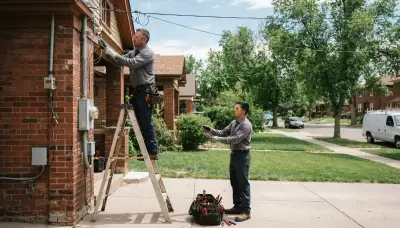
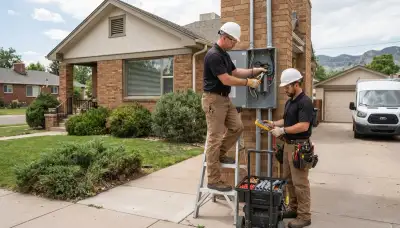
A local electrician working in Englewood has seen what a basement panel in a fifties brick bungalow looks like after sixty years of added circuits, and knows where the wiring runs before a wall gets opened. That knowledge keeps jobs from becoming bigger than they need to be.
These houses commonly need panel replacements and grounding updates, two jobs that go differently depending on whether the service comes through a basement utility room or a garage wall. Homeowners in Littleton, CO electrical services face similar situations just down the road.
If an outlet feels warm, a breaker trips without explanation, or extension cords have become permanent fixtures, get an electrician to look at it before the problem reaches the wiring behind the wall.
Electrical Work Matched to How Englewood Homes Are Built
A house over a basement with a panel in the utility room runs new circuits differently than a slab-on-grade home where every run has to come through finished ceilings or exterior walls. Off-the-shelf approaches miss that, and the job ends up costing more time and disruption than it should.
Detached homes in Englewood often carry a garage or a backyard structure that aged apart from the main house, and attached homes sometimes share service equipment that complicates any upgrade. Reliable GFCI circuit installation is one of the first things that changes when a house is wired for a different era.
Four services that fit these homes well include professional electrical wiring, quality outlet repair, specialist generator installation, and expert ceiling fan installation, each one shaped by the way these houses are built and what they are being asked to carry.
What Englewood Homes Were Wired For Still Shapes the Work Today
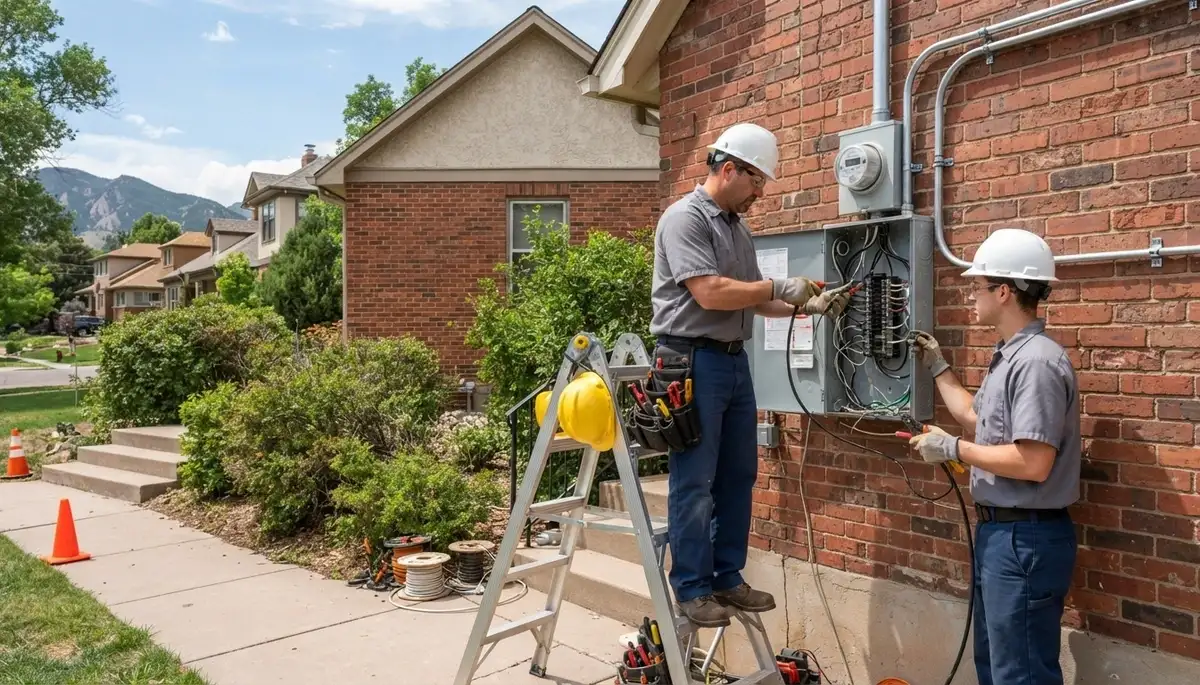
Most houses in Englewood went up in the forties through the sixties, a stretch when sixty-amp service was standard and a household ran a handful of circuits for lights and basic appliances. Those panels were built for a world without central air, dishwashers, or car chargers. Three things follow from that: the service is undersized for today's load, the wiring predates modern grounding requirements, and the connections have had decades to loosen and corrode.
Breakers That Trip and Won't Reset
A breaker that trips repeatedly and refuses to hold is not a nuisance - it is a panel telling the homeowner it has reached the edge of what it can handle. In Englewood homes built with sixty-amp service, that edge arrives quickly once central air or a second refrigerator was added to the load.
Local electricians replace the panel and bring the service up to what the house is actually running, a fix that holds because it addresses capacity rather than just resetting what tripped. Homeowners in Centennial, CO deal with the same panel-capacity problem in houses from the same era.
Outlets That Are Warm or Have No Ground
Two-prong outlets and outlets that feel warm to the touch both point to wiring installed before grounding was required. In a house from the fifties or early sixties, that is most of the house. The risk is not just inconvenience - an ungrounded outlet cannot protect equipment or the person using it.
Replacing two-prong outlets and adding the reset-button outlets near sinks and counters brings these homes up to what modern appliances expect, and removes the fire and shock risk that ungrounded wiring carries.
Connections That Have Loosened Over Decades
In homes from the mid-sixties to early seventies, aluminum branch wiring was common. Aluminum expands and contracts more than copper, and over fifty years those connections work loose. A loose aluminum connection runs hot, and a hot connection in a wall is a fire risk the homeowner cannot see.
Local electricians add approved connectors at every junction and device, a correction that stops the heat at the connection and restores two things: a stable circuit and a home that is not quietly working against itself.
Added Loads a Sixty-Amp Service Was Never Sized For
A car charger, a pool pump, or a new air conditioning unit each draws more power than the original service was designed to supply. On a hot afternoon when the air conditioning runs hard, adding a car charger to that load pushes the service past what it can deliver safely.
Upgrading to a hundred-amp or two-hundred-amp service gives the house room for what is plugged into it now, and leaves capacity for what the homeowner adds next without worrying that the panel is already at its limit.
Running New Circuits Through a Finished Basement
A finished basement in an Englewood bungalow means every new circuit has to travel through finished walls or ceilings to reach the panel. That is not impossible, but it takes more planning than an open-stud job, and a crew that does not know these houses can leave more damage than the circuit is worth.
Local electricians who work in these homes regularly know where to find a chase, how to minimize cuts, and how to patch what they open, so the homeowner gets the circuit without a renovation project attached to it.
Call (720) 707-0100 to arrange a no-pressure visit with a local electrician who can look at what Englewood homes in your situation typically need and tell you what is actually going on.
On Call Electrical handles the work in Englewood, CO with the attention these houses require.

Full Electrical Services Available in Englewood, CO
The work listed below covers the range of what local electricians handle for Englewood homeowners. Find what matches your situation and reach out.
Urgent Electrical Work for Englewood, CO Homes
- Electrical Repair - A breaker that keeps tripping, an outlet that stopped working, or a fixture that flickers needs attention before the underlying problem gets worse.
- Outlet Repair - Outlets that are warm, dead, or missing a ground are a daily hazard in houses wired before modern standards.
- Switch Repair - A switch that sparks, feels hot, or controls nothing anymore points to a connection that has failed inside the wall.
- GFCI Circuits - Homes without the reset-button outlets near water sources are missing a protection that current code requires for good reason.
- Home Electrical Inspections - An inspection tells the homeowner what the house is carrying, what it is missing, and what needs attention before it becomes an emergency.
If something in the house is not working right, a local electrician can find the cause and fix it the same day in most cases.
Panel, Service, and Wiring Work for Englewood, CO Homes
- Electrical Panel Upgrade - A panel with no empty slots, a fuse box that predates breakers, or a service sized for a much smaller load needs to be replaced, not managed.
- Electrical Panel Installation - Installing a new panel in an Englewood home means working with the basement location and the original service entry that these houses were built with.
- Electrical Service - Bringing the service up to what the house is running now is the foundation of every other upgrade.
- Electrical Wiring - Rewiring a house built in the forties or fifties means replacing conductors that have been in place long enough to become brittle.
- New Construction Wiring - Additions and detached structures on Englewood lots need wiring that connects cleanly to a panel that may already be at capacity.
Homes built for a fraction of today's electrical load need a service and panel that match what is actually plugged in, not what was plugged in when the house was new.
Safety and Protection Work for Englewood, CO Homes
- Whole Home Surge Protection - A power surge can damage every appliance and device in the house in a fraction of a second; whole-home protection stops it at the panel.
- Lightning Surge Protection - Homes in Englewood with older wiring are more vulnerable to surge damage because the wiring itself offers less inherent protection.
- Smoke Detector Installation - Detectors placed in the right locations and wired into the home's power give the homeowner warning that a battery-only unit cannot match.
- Fire Alarm Installation - A hardwired fire alarm system covers the whole house, including the basement utility room where electrical problems in these homes often start.
- Home Energy Audit - An audit finds where the house is losing energy through outdated wiring, inefficient fixtures, or a panel running harder than it should.
Every one of these protections matters more in a house that has been carrying the same wiring for fifty or sixty years. A local electrician can walk through the house and tell the homeowner which risks are present and which are already covered.
Lighting, Outdoor, and Added-Load Work for Englewood, CO Homes
- Recessed Lighting Installation - Adding recessed lights to a finished room in an Englewood bungalow requires running new circuits through spaces that were not designed for them.
- Electric Car Charger Installation - A dedicated circuit for a car charger draws more than most Englewood panels were sized for, which means the service conversation comes first.
- Landscape Lighting - Outdoor lighting runs on Englewood lots age faster than indoor wiring because the connections are exposed to ground moisture and temperature swings.
- Security Lights - Hardwired security lighting on a detached garage or along a fence line needs its own circuit run from the main panel, not a tap off an existing outdoor outlet.
- Ceiling Fan Repair - A ceiling fan that wobbles, hums, or trips its circuit is usually a wiring or connection problem at the box, not the fan itself.
Adding load to an Englewood home that was wired in the forties or fifties means checking what the panel can carry before the first wire is pulled. A local electrician handles that conversation first so the work goes in right.